
Why Web Security Should Scale With the Risk of Damage
In the world of cybersecurity, there is a dangerous temptation to treat every digital asset as if it were a crown jewel. Many people believe that the same bank-grade encryption and rigorous protocols should apply whether you are running a global corporate portal or a simple WordPress blog about baking bread.
Treating all security levels the same is not just inefficient. It is actually a strategy for failure. To build a truly resilient web, we must move away from the checklist mentality of uniform security and embrace protection that is based on risk. Security should not be a static wall, but a flexible armor tailored to the damage a breach would actually cause.
Why Uniform Security Fails Small Websites
When we demand the highest level of security for low-impact sites, we often create security fatigue. If a small business owner has to jump through five hoops of multi-factor authentication and complex firewall configurations just to update a lunch menu, they eventually start cutting corners.
Excessive security measures on low-risk sites can lead to several problems:
- Wasted Resources: This includes both server performance and human time spent on unnecessary tasks.
- Increased Complexity: More security often means more plugins or configurations that can themselves become vulnerabilities if they are not managed perfectly.
- Lower Productivity: High-friction security can deter users and contributors who find the system too cumbersome to navigate.
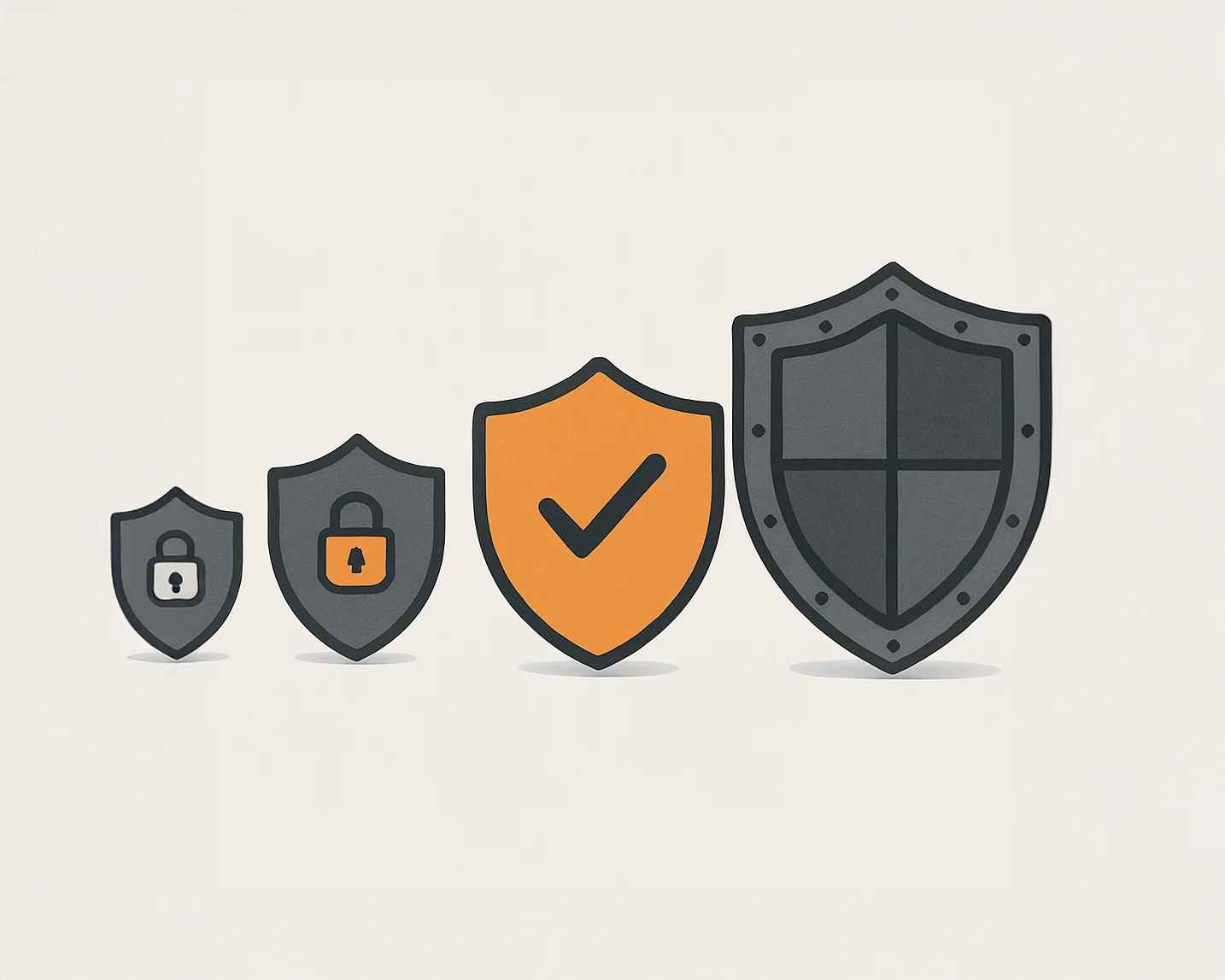
The Logic of Scaling Your Defense
Think of security like home protection. You do not put a bank vault door on your garden shed. You might lock it with a simple padlock to keep people out, but you save the biometric scanners and reinforced steel for the front door.
In website security, this means categorizing your assets based on the potential impact of a hack.
- The Personal Blog (Low Damage): If this is hacked, the damage is mostly a nuisance or a small hit to your reputation. Security here should focus on the basics like updates and strong passwords.
- The Membership Site (Medium Damage): This site holds user emails and names. The damage scales to privacy concerns, so you should add two-factor authentication and activity monitoring.
- The E-commerce/Enterprise Hub (High Damage): This site handles credit cards and sensitive personal data. This is where you deploy the heavy tools like web application firewalls and zero-trust architectures.
The Essential Security Floor
While security should be proportional, we must acknowledge that there is a non-negotiable baseline that applies to everyone. Regardless of the purpose of the site, failing to do certain things is like leaving your front door wide open in a busy city.
Every web administrator should maintain these core habits:
- Core Updates: Outdated software is the primary entry point for automated bots. You must keep your CMS and plugins current to patch known exploits.
- Runtime Maintenance: Do not use old interpreters. Running your site on an end-of-life version of PHP creates deep-level vulnerabilities that bypass your application security entirely.
- Encryption: Using HTTPS is now a basic requirement for trust, data integrity, and search engine rankings.
- Backup Protocols: True security is not just about prevention, but also about how quickly you can recover when something goes wrong.
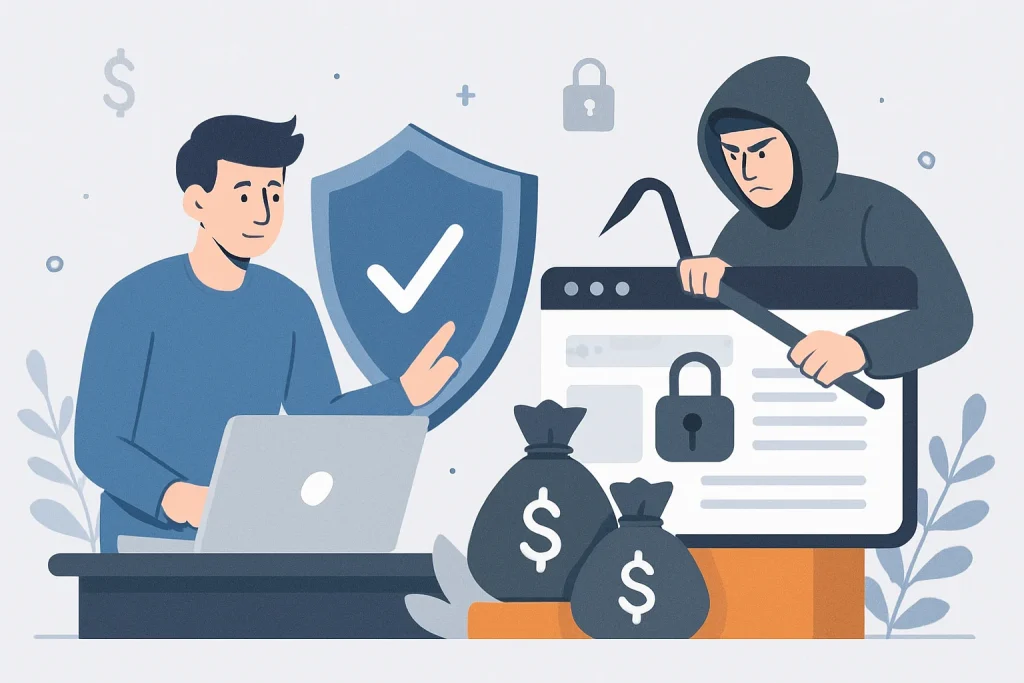
The goal of a modern web administrator should not be to make a site unhackable, because that is an impossible task. Instead, the goal is to make the cost of attacking the site higher than the value of the data inside.
By aligning your security efforts with the potential damage, you ensure that your most critical assets are guarded by the thickest walls while your smaller projects remain agile and accessible. We do not need a more expensive universal security standard. We need a smarter and more honest assessment of what we are actually trying to protect.