
What is e-Rapor? Understanding Indonesia’s Digital Student Report System
In the rapidly modernizing landscape of Indonesian education, e-Rapor stands out as a critical tool. It has replaced the traditional manual methods of grading with a streamlined digital process.
This article explores the definition, purpose, and technical significance of e-Rapor in the Indonesian school system.
Defining e-Rapor
e-Rapor is short for Elektronik Rapor (Electronic Report). It is an official web-based application developed by the Ministry of Education, Culture, Research, and Technology (Kemendikbudristek).
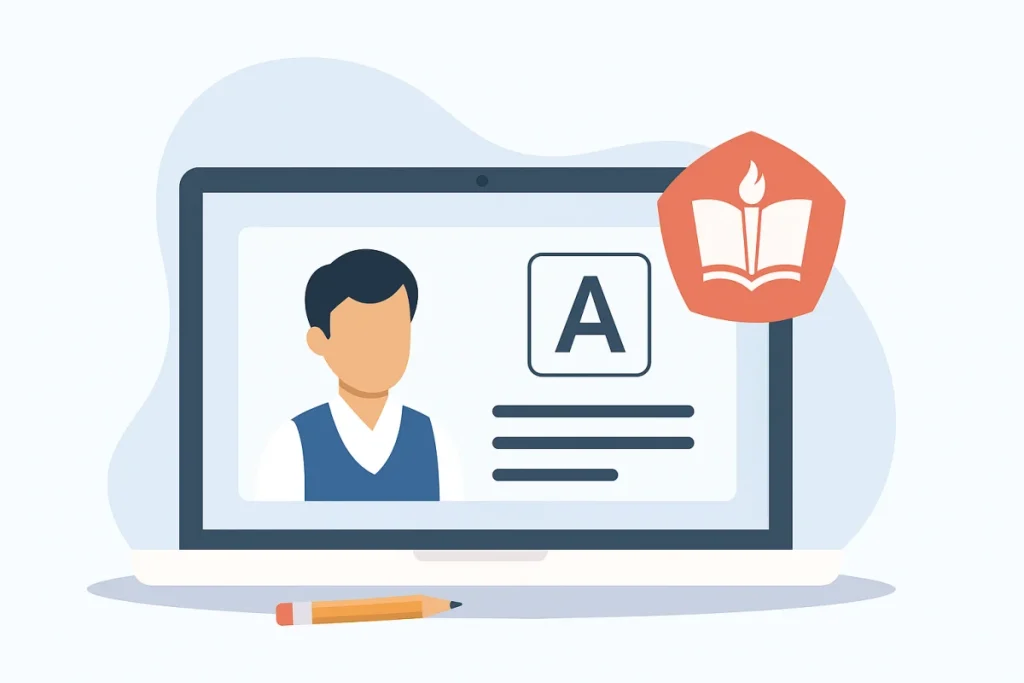
The government designed this system to assist schools in managing learning assessments. It facilitates the compilation of student grades and generates standardized report cards that comply with national curriculum regulations.
The Core Purpose
The primary objective of e-Rapor is to digitize the assessment workflow. Before this system, teachers often calculated grades manually. This manual process was prone to errors and inconsistencies. e-Rapor solves these issues by automating calculations and standardizing the final output.
It serves as a bridge between classroom activities and the national education database. The application ensures that the data on student reports matches the official records held by the government.
Key Functions and Features
e-Rapor is a comprehensive suite of tools designed for school administration. Its capabilities extend beyond simple data entry.
1. Integration with Dapodik
The most critical feature of e-Rapor is its connection to Dapodik (Data Pokok Pendidikan). Dapodik is the central education data system in Indonesia. e-Rapor pulls data directly from Dapodik, including student profiles, teacher details, and class lists. This synchronization prevents data duplication and ensures accuracy across all school records.
2. Assessment Management
Teachers use the platform to input various types of scores. These include daily assessments, midterm exams, and final semester evaluations. The system also handles non-academic data, such as extracurricular activities, attendance records, and character development notes.
3. Automatic Grade Calculation
Once teachers input raw scores, the system processes the final grades automatically. It applies the specific formulas mandated by the curriculum, such as Kurikulum Merdeka or Kurikulum 2013. This automation guarantees that every student is graded fairly and mathematically correctly.
4. Report Card Generation
The final output is a standardized PDF report card. This document is ready to be printed, signed by the principal, and distributed to parents. The format is uniform across the country, which simplifies the transfer process if a student moves to a new school.
Who Uses the System?
e-Rapor is a multi-user environment where different roles collaborate to complete the reporting process.
- Subject Teachers: They log in to input grades and descriptions for their specific classes.
- Homeroom Teachers (Wali Kelas): They oversee the students in their class. They input attendance data, write general comments, and print the final reports.
- School Administrators (Operators): They act as system managers. Their job is to sync data with Dapodik, manage user accounts, and handle technical troubleshooting.
- Principals: They have a supervisory role to monitor the progress of grading and digitally sign the final documents.
Technical Requirements
e-Rapor is not a simple desktop program. It is a web application that requires a server environment to run.
To function correctly, it needs a Web Server (typically utilizing ports like 8154, 5739, or 8239 depending on the version) and a Database Server (usually PostgreSQL or similar).
While schools can install it on a local computer in a lab, many institutions are moving toward Cloud VPS solutions. Hosting e-Rapor on a VPS allows teachers to access the system from home via the internet. This flexibility is essential for modern schools that want to allow teachers to work outside of school hours without being tied to a physical computer lab.
Conclusion
e-Rapor represents a significant leap forward for Indonesian education administration. It ensures compliance with national standards, reduces administrative burdens on teachers, and provides a reliable, data-driven approach to tracking student progress. For IT administrators, mastering the deployment of e-Rapor, especially on cloud infrastructure, is now a highly valuable skill.