
Typesafety Can’t Save You from Yourself: The JSHT’s RCE Reckoning
Disclaimer: This article is a work of satire and humor intended for entertainment purposes only. The "JSHT" faction and the conflicts described are fictional and meant to humorously reflect common rivalries and stereotypes within the programming community. No malice or technical hatred is intended toward any specific language, framework, or developer.
The usually loud and aggressive barracks of the JSHT (JavaScript Hardcore Troops) have gone strangely quiet this week. For years this militant faction of the coding world terrorized the internet with their infamous war cry of “Serlok tak parani” whenever they spotted a rogue PHP developer enjoying life. They believed that because their code was strictly typed, modern, and backed by a million dependencies, they were invincible gods of the web.
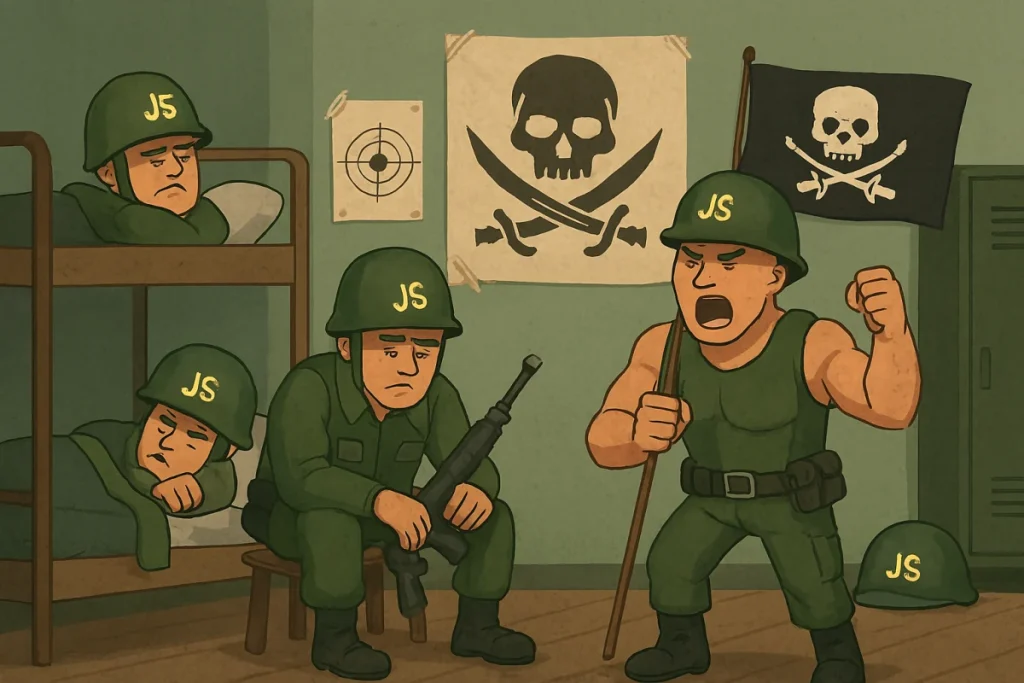
The painful social media consensus is clear: Typesafe does not mean Safe.
🚨 The #React2Shell Backfire 📉
The irony of the JSHT‘s current predicament is pure, unadulterated programmer schadenfreude.
The JSHT’s original threat—“Share your location and I will come to you”—was used to demand codebases be rewritten. Now, their own precious architecture has automated that command for the world’s hackers.
- The Flaw: Critical Remote Code Execution (RCE) vulnerabilities in React Server Components (RSC) and Next.js (known as CVE-2025-55182 or React2Shell) carry the maximum CVSS score of 10.0. This exploit, stemming from insecure deserialization in the RSC “Flight” protocol, lets unauthenticated attackers run arbitrary code.
- The Social Media Spin: On X (formerly Twitter) and Reddit threads, the community is watching as China-linked threat groups and other attackers actively exploit the flaw. The running joke is that hackers didn’t need to ask for the “Serlok”; the JSHT server sent it automatically via a specially crafted HTTP request.
- The Technical Humiliation: The JSHT leadership, who constantly mocked PHP for having no type-checking, now face the reality that a malicious payload—sent as a simple HTTP request—bypassed their entire TypeScript fortress to execute privileged JavaScript on the server. The security failure happened at the lowest logical level, where TypeScript cannot reach .
☁️ Cloudflare Collateral Damage
To complete the public shaming, the very infrastructure the JSHT elite brag about has failed spectacularly. Cloudflare, the provider championed by the JSHT for its “Edge” supremacy, suffered major outages.
Social media posts highlighted the devastating concentration risk:
- Cloudflare’s CTO confirmed that one major outage was triggered while implementing emergency mitigations for the React2Shell RCE vulnerability itself!
- The JSHT had their applications go offline because their defense (Cloudflare’s WAF changes) against their own framework (Next.js) crashed the network for many users, returning widespread “500 Internal Server Error” messages.
The sight of major sites relying on Cloudflare and JS-based frameworks going dark while “ancient” PHP sites on stable servers stayed online only amplified the #PHPisAlive and #jshtFail hashtags.
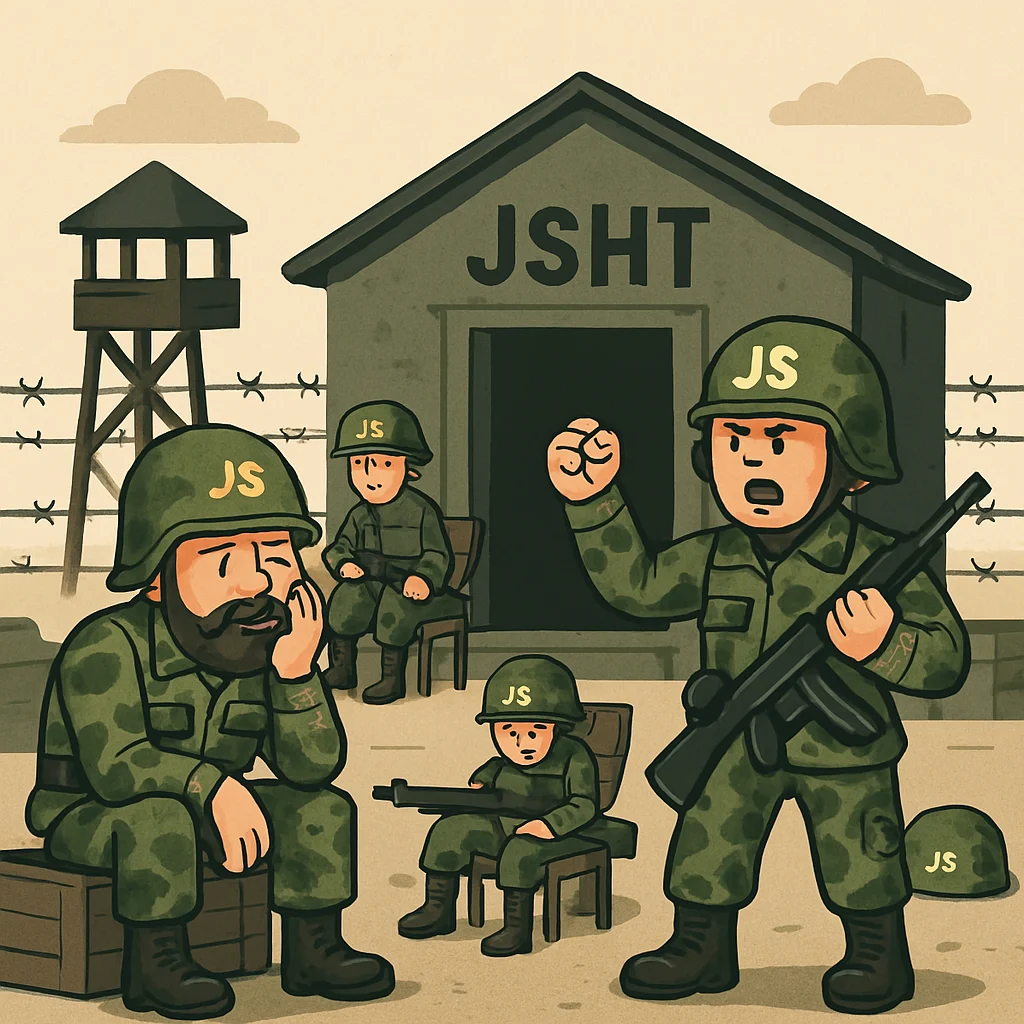
The New Motto: #TypesafetyWontHelp
The JSHT’s arrogance was a shield made of compilation warnings. The RCE bugs and Cloudflare outages have proven that a solid architectural foundation is more valuable than complex, rapidly evolving, and centrally dependent code.
It’s time for the JSHT to put down the mocking memes and pick up the security patches. The new, quiet message from the now-humble JSHT compound is simple: “Check your package.json and restrict your network access, because the world just accepted your ‘Serlok’ invitation.”